




Autoridad del Centro Histórico
Autoridad del Centro Histórico
Colonial and Mexica walls and floors were found in the space currently occupied by the Mexico City Government's Historic Center Authority building.
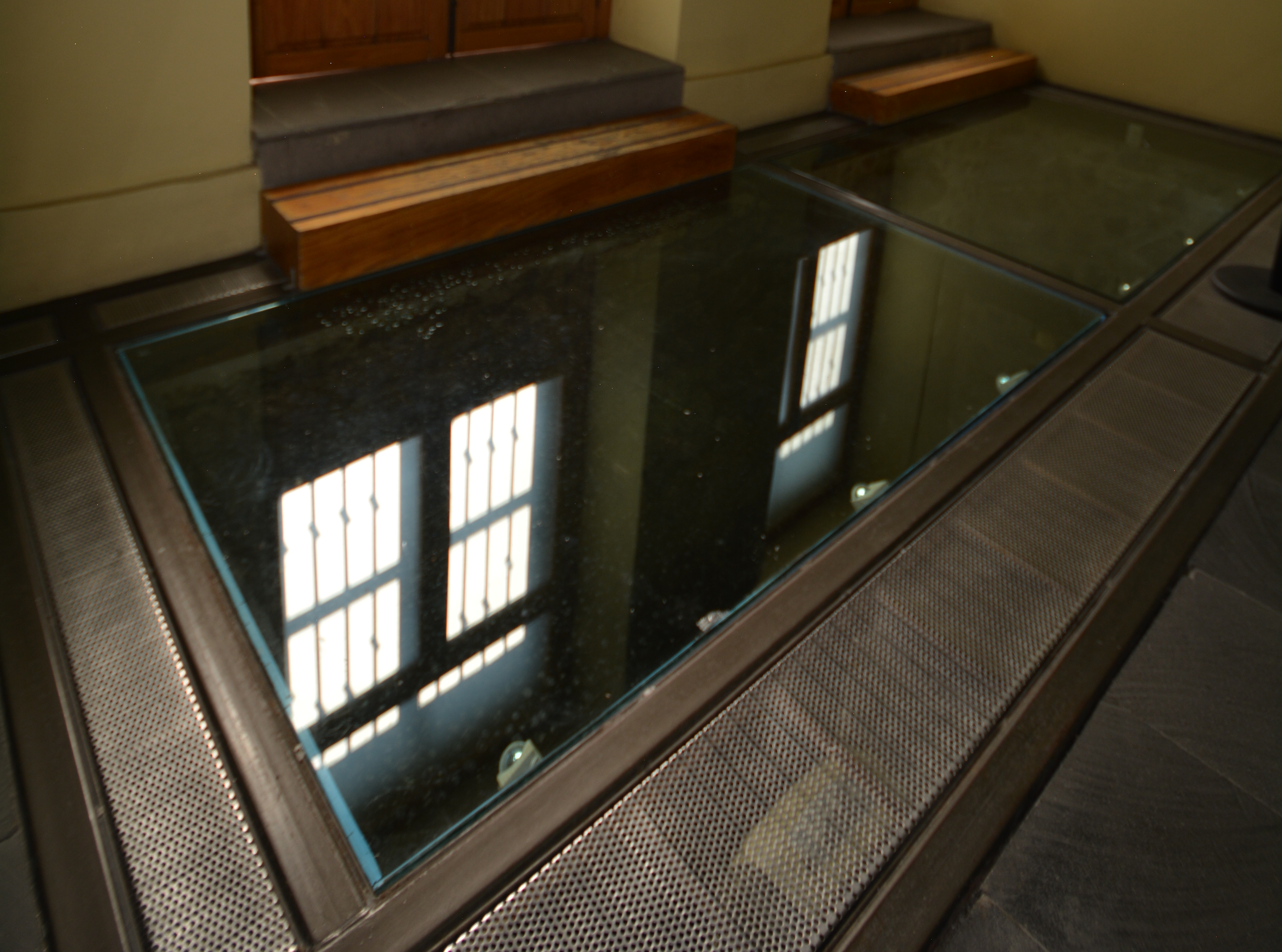
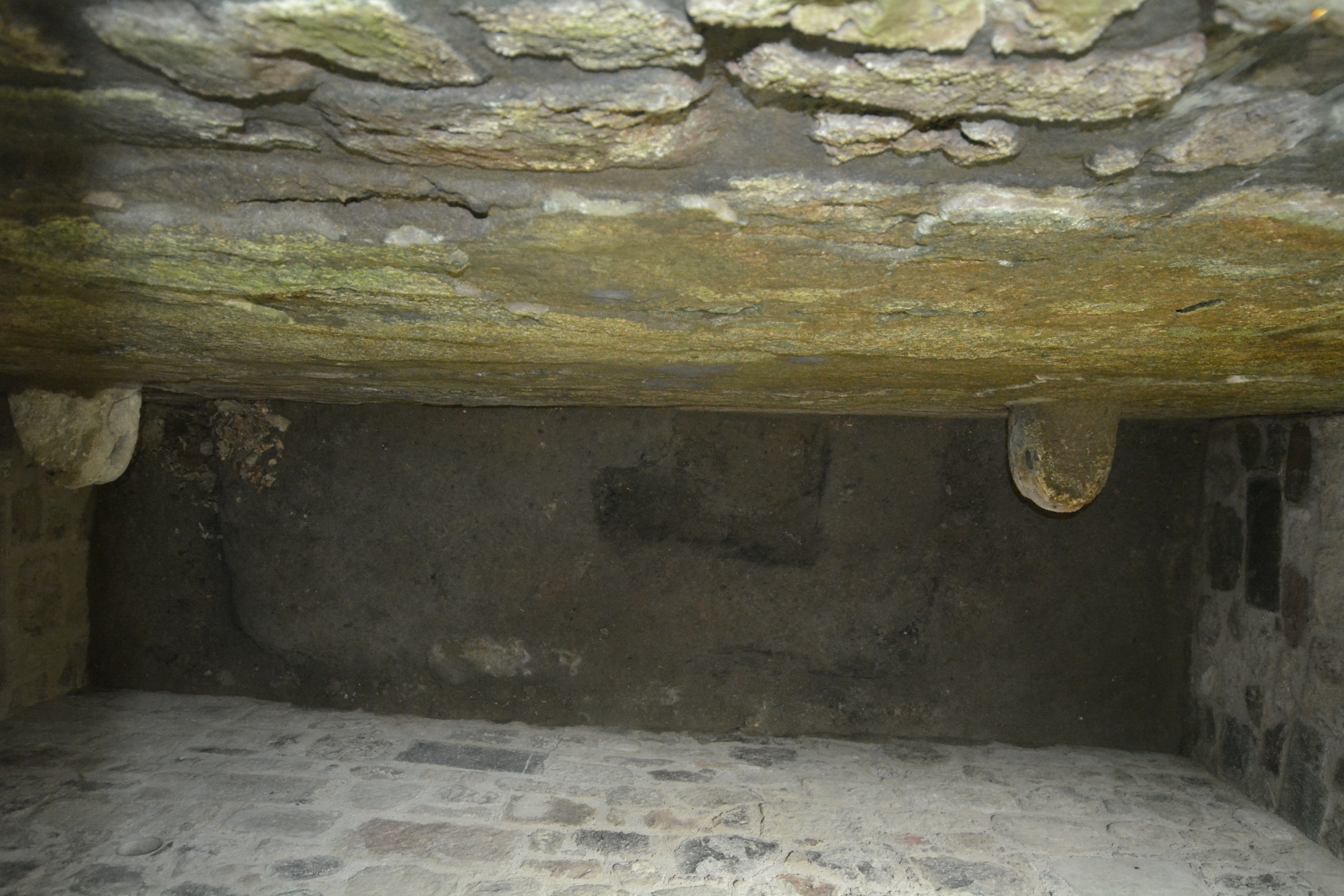
The Urban Archaeology Program (PAU) opened two archaeological windows in this building. The first is located in the southeast corner of the main courtyard of the historic building, where you can see a wall and remains of floors from the viceregal era that possibly, at the end of the 17th century, were part of the property of the Portuguese Miguel Rodríguez de Acevedo, who founded the estate of the same name, which is why it was also known at that time as Casa de los Acevedo from this site to Donceles Street. At a deeper level, basalt slabs can be seen that belonged to a Mexica floor corresponding to stage VII of the Templo Mayor.
In an adjoining room, there is a second rectangular archaeological window, oriented north to south, which shows a sloping wall decorated with two embedded sculptures in the shape of snake heads, corresponding to the continuation of the western boundary of the platform on which the Templo Mayor stands for stage VI (1486-1502). At the base, you can see the remains of a floor made of lamprobolite andesite blocks characteristic of the period.
Source: Raúl Barrera Rodríguez, director of the Urban Archaeology Program